A Different World Altogether
A slower world of chulha smoke and open fields — and everything it still gets right, and wrong, about how we live.

Every time I come back to my village, it feels like I am stepping into a different world.
A world that moves slower. A world that still wakes up with the sunrise and sleeps when the day is done. A world that reminds me where I come from.
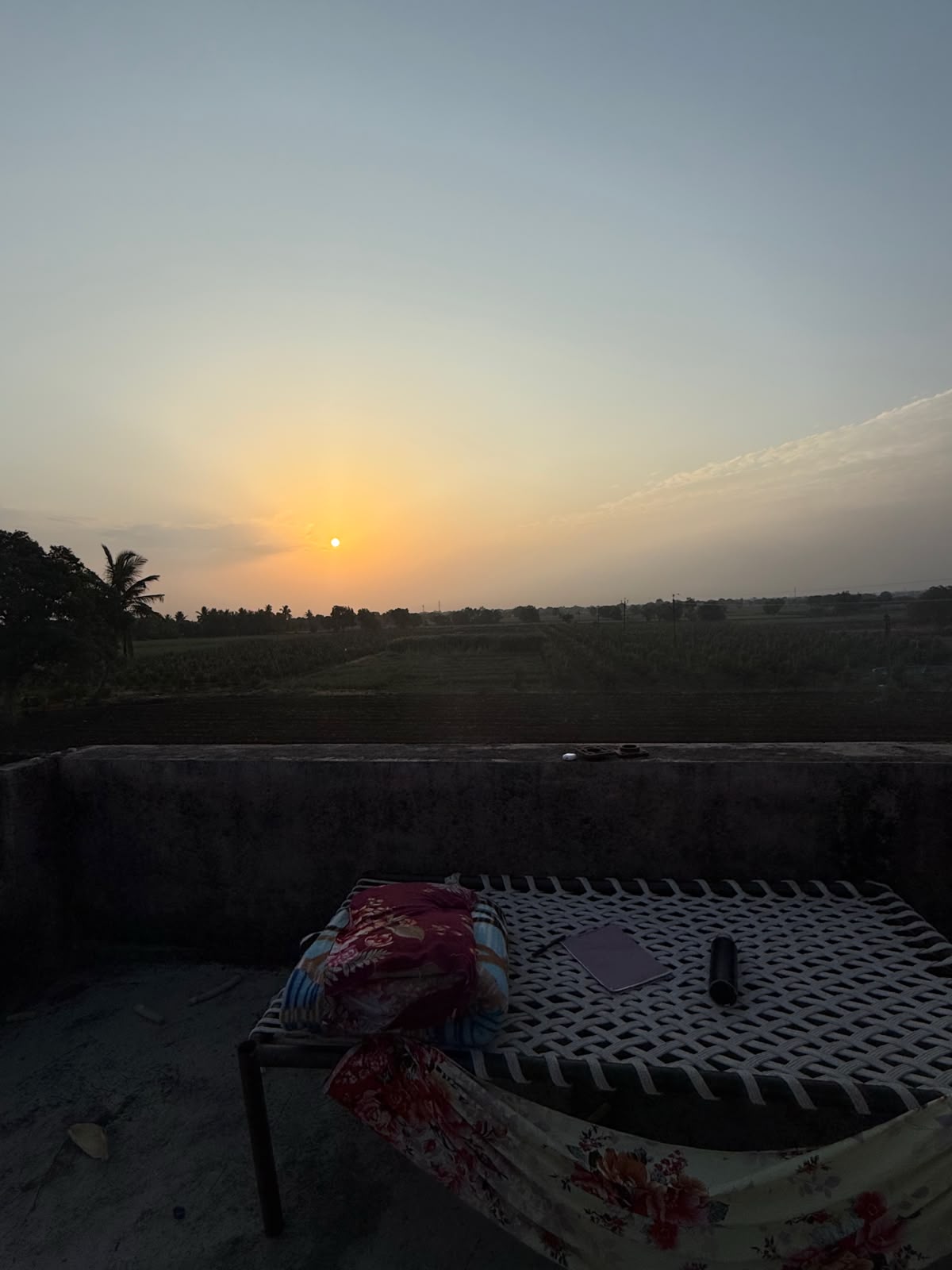
I often feel grateful that I got to experience both sides of life. I have lived in cities, traveled to different countries, worked in modern environments, and experienced a life that once felt larger than life. Yet I also get to come back here — to the place where life is still deeply connected to nature, traditions, and community.
And every single time, something inside me resets.
The worries here are different. In cities, we worry about traffic, deadlines, air quality, rent, promotions, and schedules packed from morning till night. Here, people worry about whether the rains will arrive on time, how the crops will be this season, and whether the animals are healthy.
Life feels simpler. Not easier, but simpler.
The food tastes like memory
One of my favorite parts of coming home is the food. My mother still cooks on a chulha. Sometimes she still grinds spices on a stone grinder the way generations before her did. There are no fancy ingredients, no imported sauces, and no secret recipes from the internet.
Yet somehow, the food tastes better than anything I can find in a restaurant.
The vegetables are fresh. The spices are fresh. The milk is fresh. Everything feels closer to its source.
The taste is difficult to explain. It’s simple food, but it carries something that modern convenience cannot replicate. Maybe it’s freshness. Maybe it’s tradition. Maybe it’s the love with which it is made. Or maybe it’s all three.
A self-sufficient world
The more time I spend here, the more I realize how self-sufficient village life can be. The water that feeds the crops comes from wells, rivers, and rainwater.
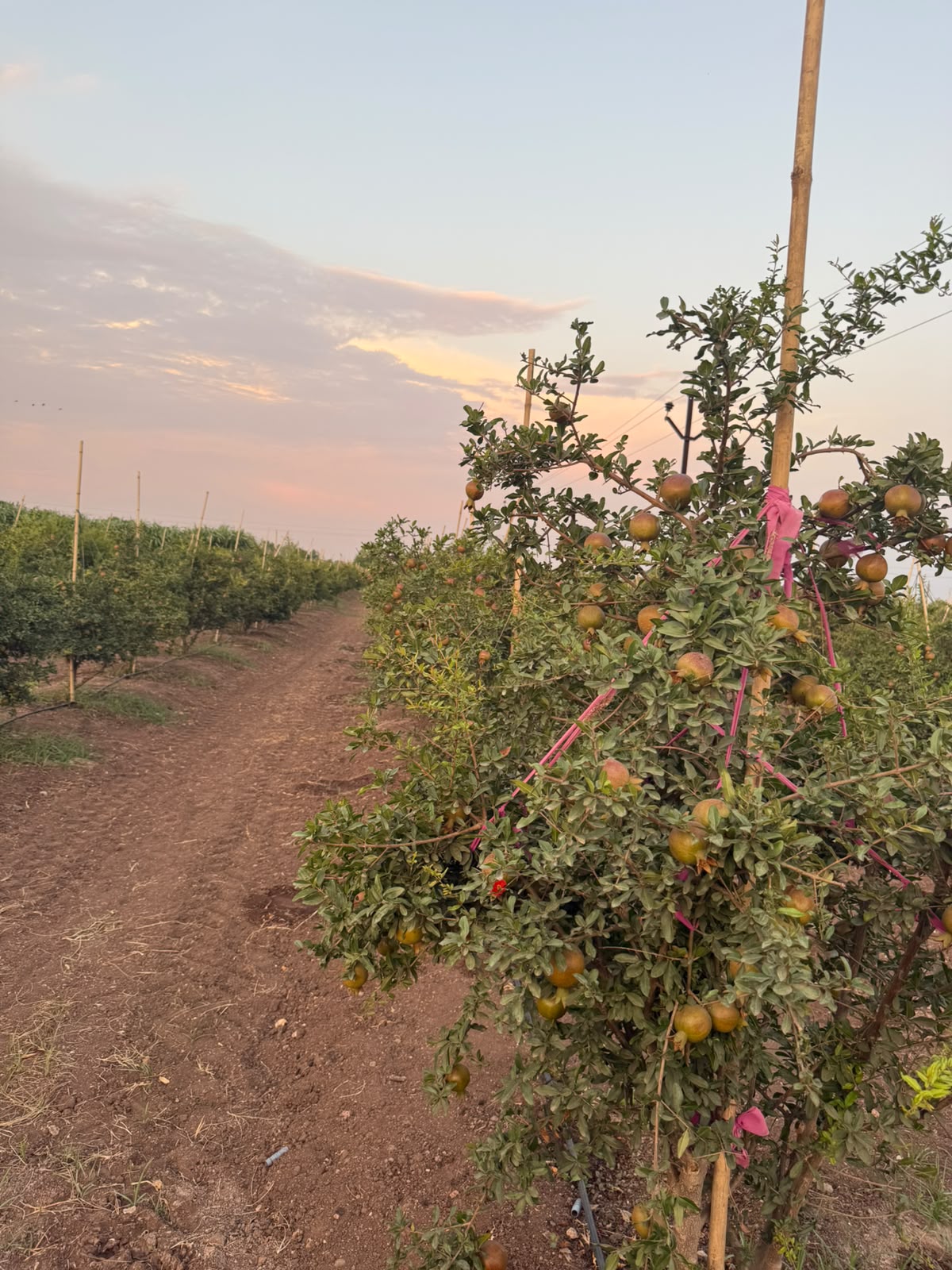
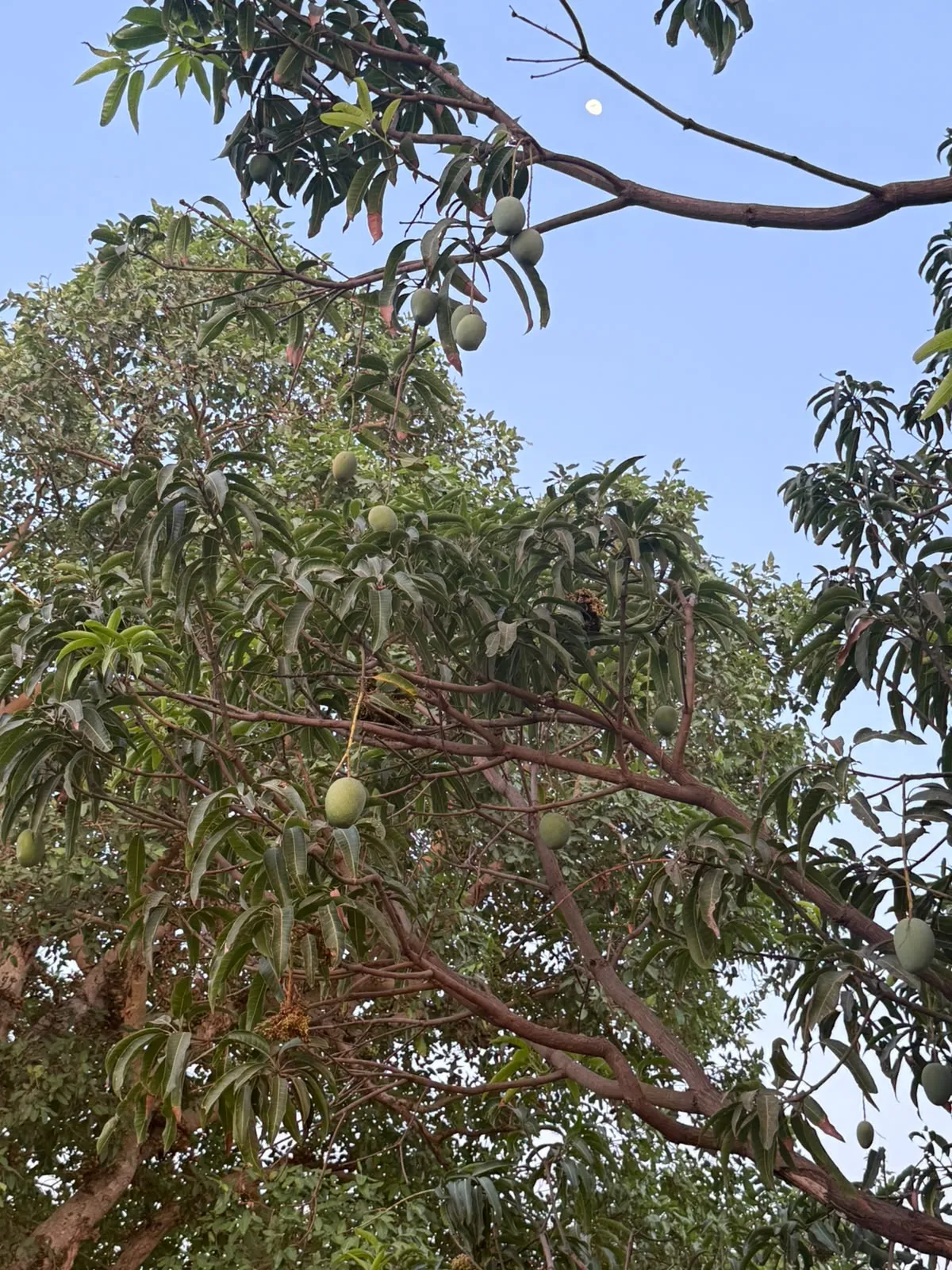
Many families have their own cows or buffaloes, so milk comes directly from home. Many households raise chickens, and the eggs come fresh every morning. The wheat, onions, garlic, vegetables, and countless other essentials are often grown just a few minutes away from where they are consumed.
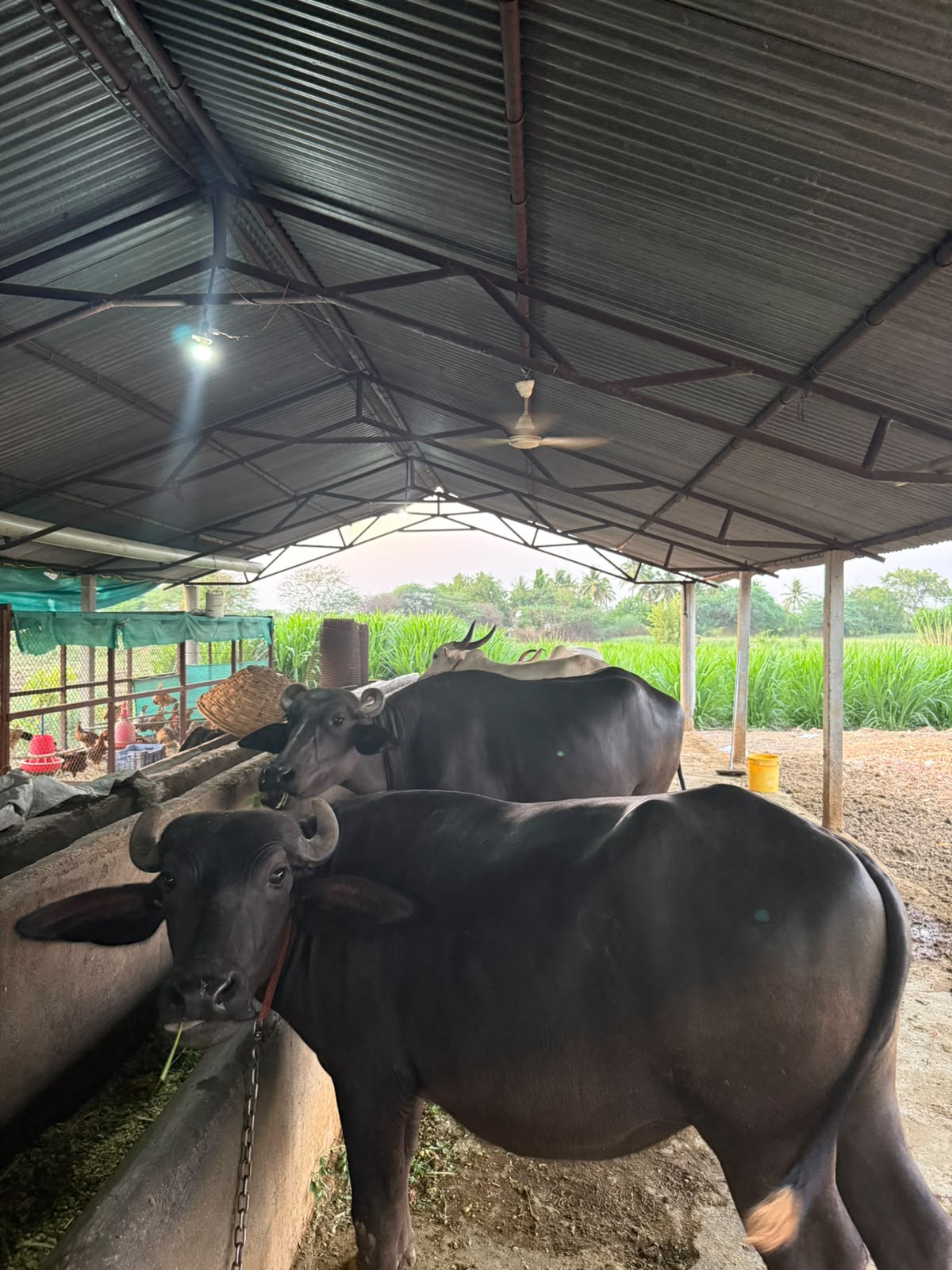
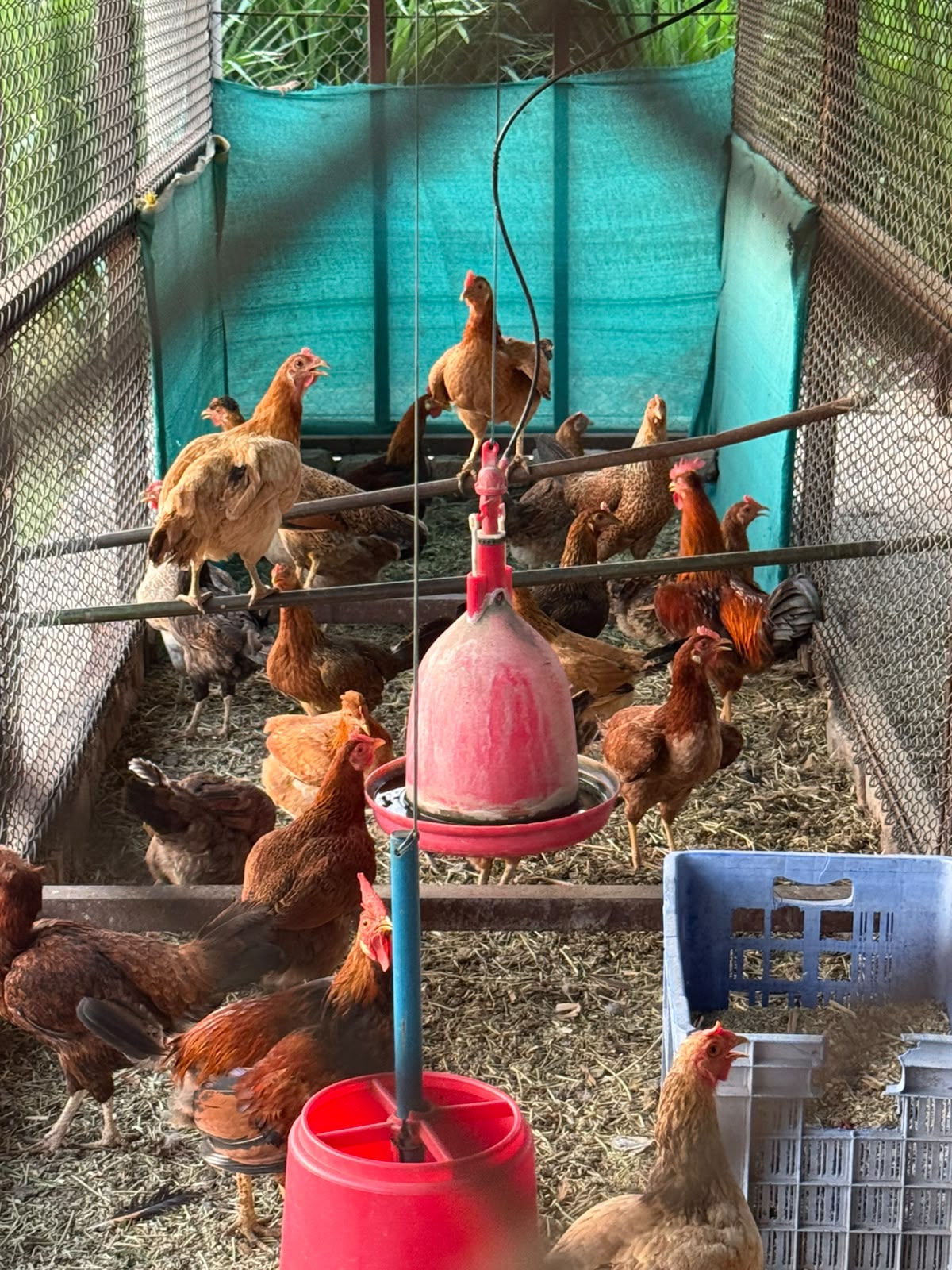
There is a direct connection between people and the things that sustain them. Nothing feels disconnected. Nothing feels artificial.
Measured in decades
But the people fascinate me even more than the food or the land. Relationships here are measured in decades. Everyone knows everyone. People know each other’s families, histories, celebrations, and struggles.
In villages, people may not always know what is happening in the world, but they certainly know what is happening in the neighbor’s house.
Always room for one more
A small moment from a recent visit stayed with me. I was traveling and had stopped by a friend’s place along the way. As we sat talking, my friend asked me, “Will you stay for lunch? If so, I’ll ask the cook to prepare it.”
I politely declined. But the question itself made me smile, because it highlighted a difference I had never really noticed before.
In cities, it is normal to ask whether someone will stay for lunch. Plans are scheduled, meals are counted, and everyone has somewhere to be. In villages, things often work differently.
Growing up here, I rarely saw people worry about whether there would be enough food for a guest. If someone arrived around lunchtime, a plate would simply appear. If five extra people showed up unexpectedly, somehow food for ten would be found. The meal might be simple, but nobody left hungry.
Hospitality here is not something people prepare for; it is simply a part of life.
That small moment reminded me that while cities have taught us efficiency, villages still hold on to something beautiful — the belief that there is always room for one more person at the table.
Thirty-five years
One person who represents this loyalty better than anyone else is a man who has worked with my family for the last 35 years.
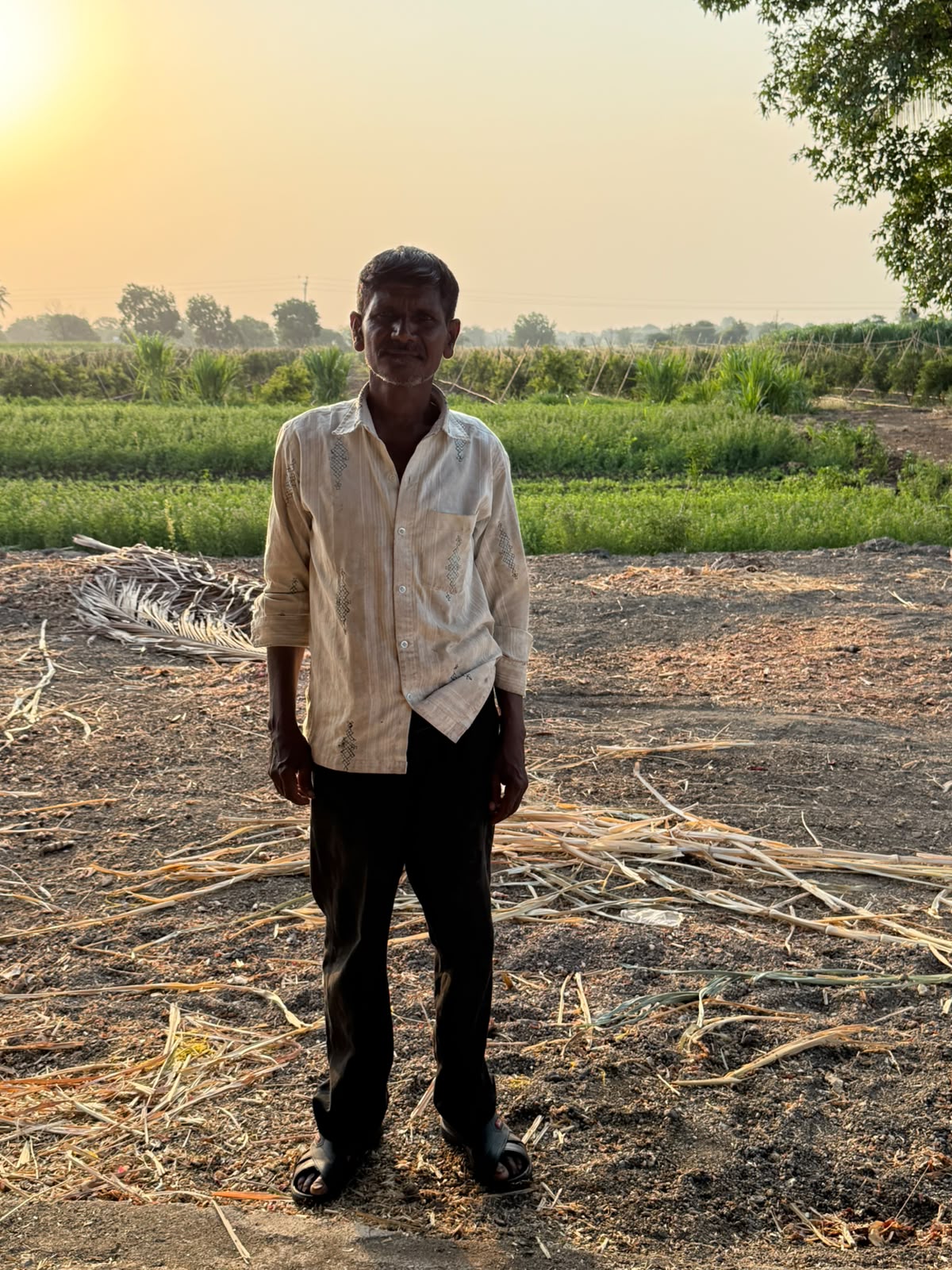
Every morning, around 5:30, he arrives at our house. He wakes my parents up. He starts his work. He spends the entire day helping my family and only returns home in the evening.
Technically, he works for us. But after 35 years, that description feels incomplete. He has spent most of his life with our family. He has witnessed our celebrations, our struggles, and our growth.
At some point, loyalty becomes something more than employment. It becomes family.
In a world where people switch jobs, cities, and relationships every few years, that kind of commitment feels extraordinary.
The other side
Yet as beautiful as village life can be, there is another side to the story. And I think it deserves to be acknowledged too.
Many traditions that create a sense of belonging can also create limitations. Even today, there is a visible difference in how boys and girls are raised. Girls receive education, but for many, marriage remains the ultimate goal rather than financial independence.
Early marriages still happen. Opportunities are often smaller. Dreams are often shaped by expectations rather than possibilities.
There is still a strong preference for sons in many families. And while society is changing, I still hear stories of people trying to find out the gender of unborn children despite it being illegal. Once a daughter gets married, she is often treated as if she no longer belongs to the family she grew up in. She becomes a guest in her own home.
This mindset exists everywhere, but here it feels stronger and more visible. The challenges faced by women are impossible to ignore. Many remain financially dependent on men. Domestic abuse is often normalized in ways that are heartbreaking. Women continue working, caring for families, and carrying enormous responsibilities while quietly enduring situations they should never have to accept.
There is still a long road ahead when it comes to equality.
Under the same sun
And then there are the laborers. Every time I visit, I see people working in fields under the scorching sun for wages that many city dwellers would spend on a single meal.
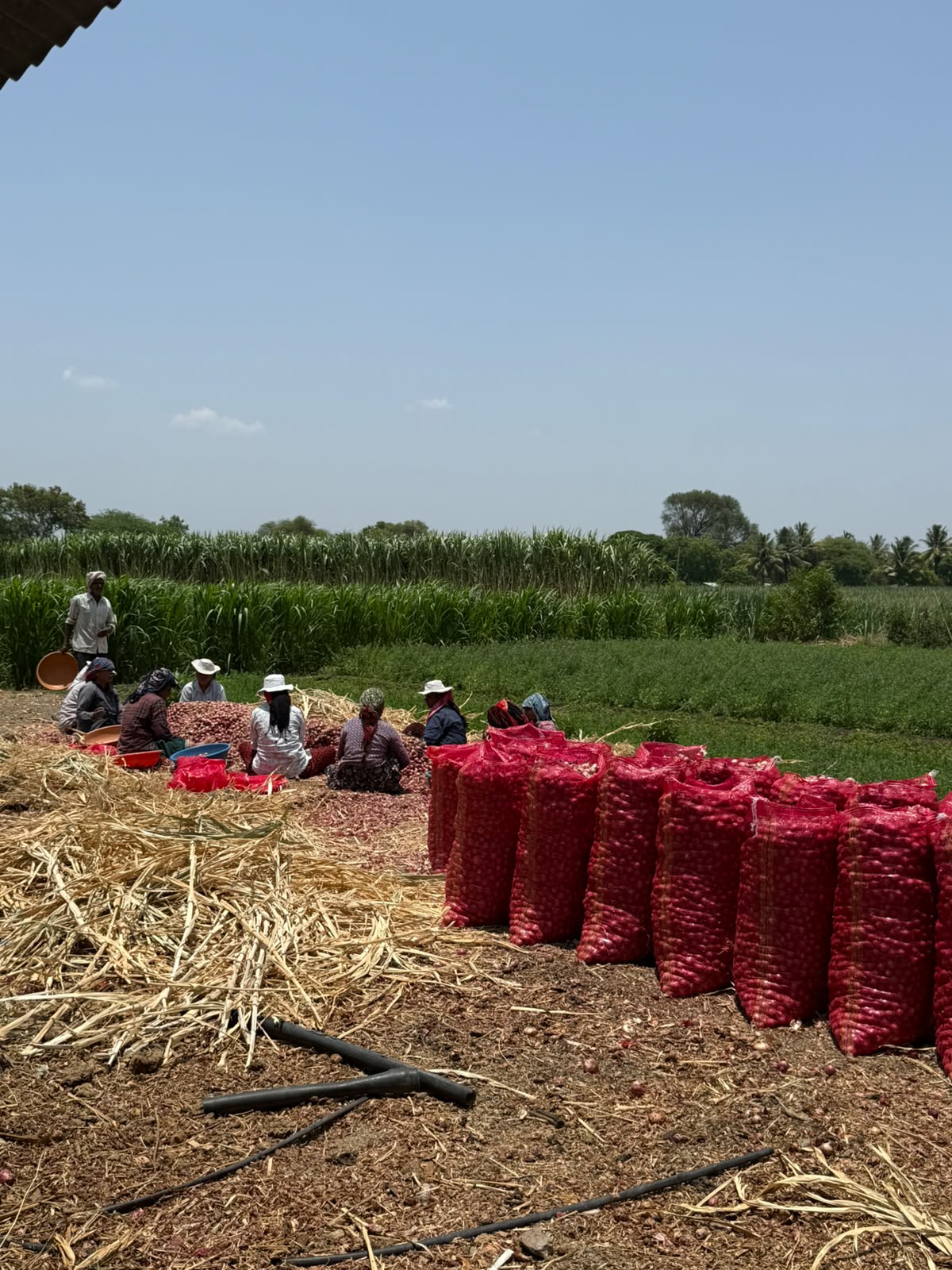
Some work from sunrise to sunset, earning just enough to survive. For many, the only thing they look forward to at the end of the day is a drink at night.
It reminds me that poverty is not just about money. It is also about access, education, opportunity, and hope.
Between two worlds
The older I get, the harder it becomes to label one world as better than the other. Cities offer opportunity, ambition, exposure, and growth. Villages offer grounding, resilience, community, and connection.
One teaches you how to dream bigger. The other teaches you how little you actually need. One pushes you forward. The other brings you back to yourself.
Perhaps that is why I treasure these visits so much. Every time I leave, I carry a little bit of this place with me.
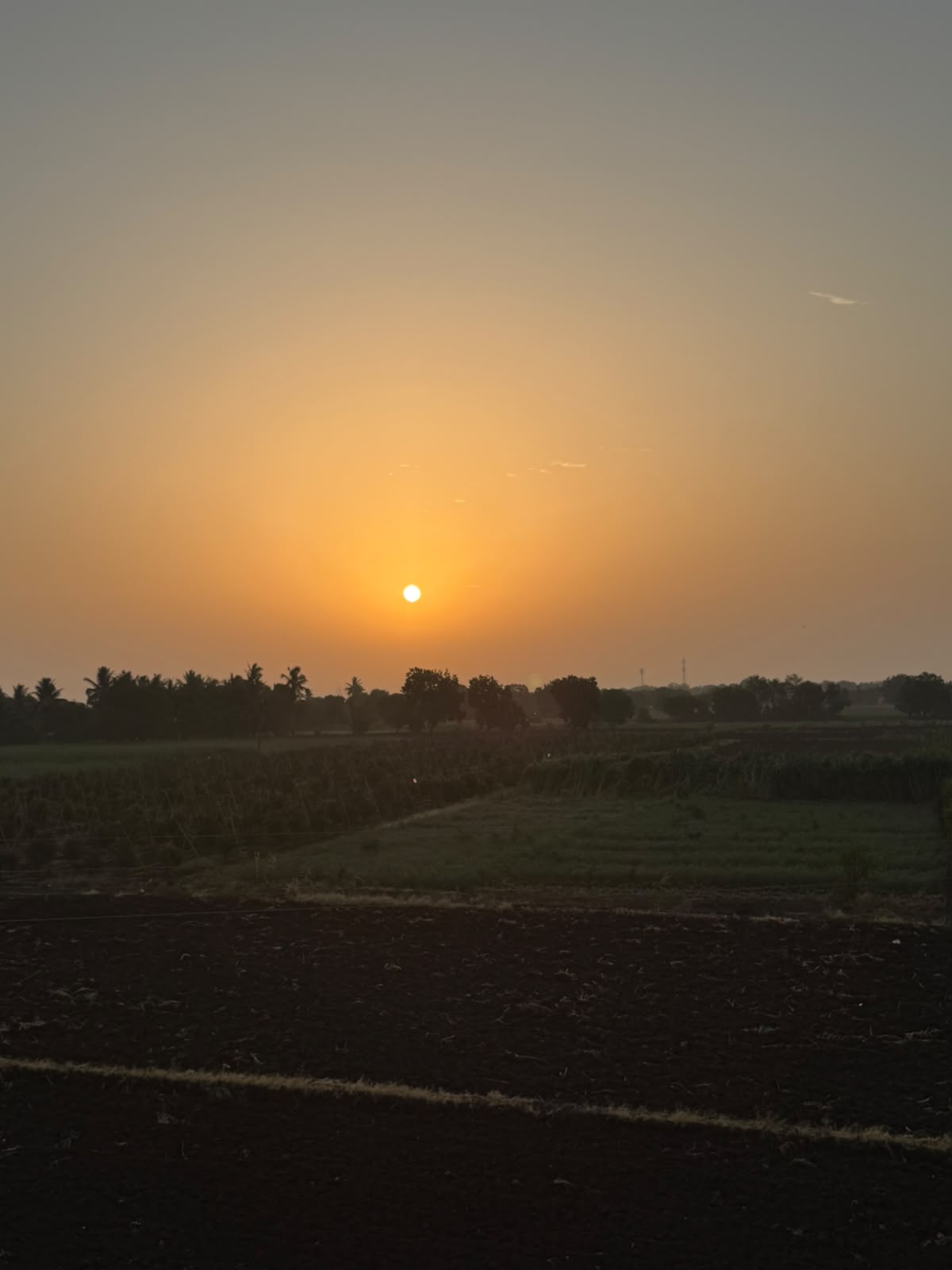
The smell of food cooking on a chulha.
The sight of fields stretching endlessly toward the horizon.
Somewhere between the two, I continue to learn what truly matters.